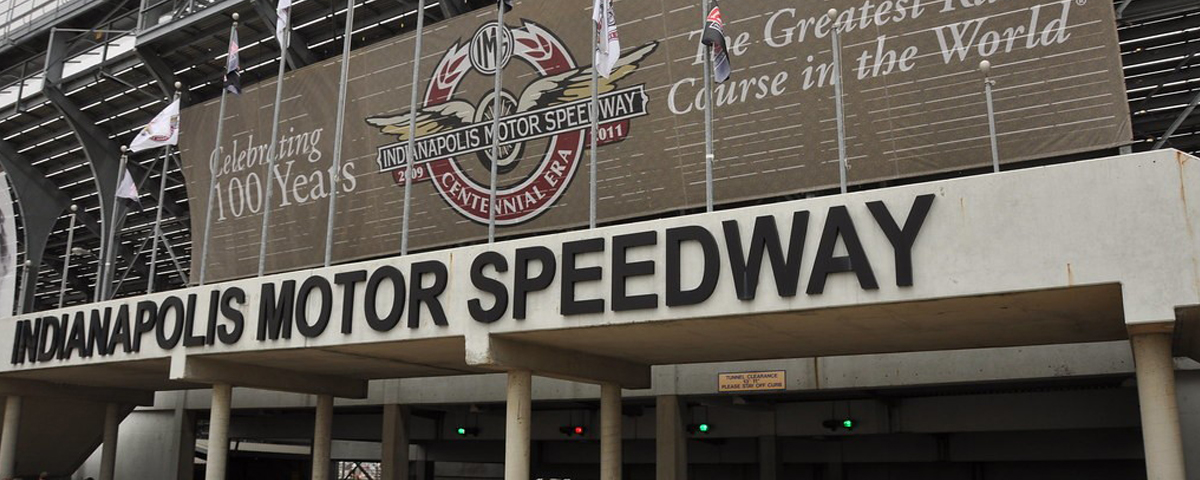
Each May, the world-famous Indianapolis 500 turns the Circle City into a global focal point for racing enthusiasts.
Beyond the speed and history, the race creates a massive economic ripple that significantly impacts the Indianapolis housing market—affecting home values, short-term rental interest, and buyer dynamics.
With unprecedented short-term rental (STR) activity and shifting property values, the "Greatest Spectacle in Racing" offers a prime window of opportunity for both homeowners and property investors. Here is a look at how the race influences local real estate trends in 2026.
Surging Short-Term Rental Activity in May
For Indianapolis property owners, race weekend represents the most lucrative time of the year. An influx of tourists creates an extreme supply shortage, driving nightly rates on platforms like Airbnb and VRBO to unprecedented highs.
- Premium Rental Rates: Nightly STR rates in Indianapolis climb to an average of $585–$590—representing a 3x to 5x jump over standard pricing.
- Early Booking Windows: Foresighted travelers typically secure their accommodations 6–12 months in advance, making the race one of the Midwest's most reliable yearly revenue events.
- The Hotel Spillover Effect: Because local hotels average over $210 per night and hit nearly 100% occupancy, short-term rentals serve as the main housing alternative for hundreds of thousands of incoming fans.
The “Coachella Effect” on Speedway Real Estate Values
The real estate impact isn't limited to homes right next to the track. Major, recurring mega-events trigger a "Coachella Effect," causing sustained equity appreciation across the entire host community. In the Indianapolis area, this trend is most pronounced in specific real estate "hot zones."
Speedway, IN Real Estate Insights
In early 2026, the median sales price for a home in Speedway, IN hovers around $260,000. While this remains a more budget-friendly option compared to Carmel's median of $655,000, Speedway homes see intense competition due to their proximity to the track.
- Sale-to-List Ratios: Residences in Speedway routinely sell at 100% of their asking price, highlighting buyers' willingness to pay top dollar to be near the action.
- Investor Target Areas: Neighboring pockets like Eagledale and Garden City (where median prices range from $175,000–$190,000) are highly sought after by investors hunting for strong rental returns and excellent long-term resale potential.
Investor Tactics: Leveraging Recurring Demand
The Indy 500 anchors a robust, year-round calendar of major local events, alongside NFL games, massive conventions, and cultural festivals. Real estate investors who leverage these cycles can secure reliable short-term cash flow alongside steady, long-term equity growth.
|
Metric |
Typical Indy Weekend |
Indy 500 Weekend |
|
Avg. Nightly Rental (STR) |
$120 – $150 |
$550 – $600 |
|
Hotel Occupancy |
55% |
95%+ |
|
Investor Inquiries |
Baseline |
300% Increase |
Top-performing investment properties generally offer high "race-day appeal," featuring plenty of off-street parking, great outdoor hosting spaces, and convenient highway access to the Indianapolis Motor Speedway.
Shifting Buyer Dynamics During Race Season
May consistently serves as a peak month for the Indiana housing market, frequently driving a 10% jump in completed sales compared to April, alongside an approximate 4% year-over-year increase in median prices.
During race season, the typical pool of buyers branches into three specific segments:
- Out-of-State Investors: Visitors swept up in the weekend's excitement often start looking into local vacation properties or investment real estate.
- Strategic Sellers: Available housing inventory regularly grows by up to 11% as homeowners try to cash in on the increased buyer exposure during the May peak.
- Local Buyers: Conversely, many local buyers choose to step back during race weekend to steer clear of the traffic and crowds. For first-time buyers, the weekends immediately following the race usually present the best window for negotiation.
The Bottom Line
The Indy 500 does more than just accelerate race cars—it accelerates the housing market. By keeping a close eye on May rental spikes, competitive sale-to-list ratios in Speedway, and seasonal shifts in inventory, buyers and sellers can navigate the market strategically to stay ahead of the curve.