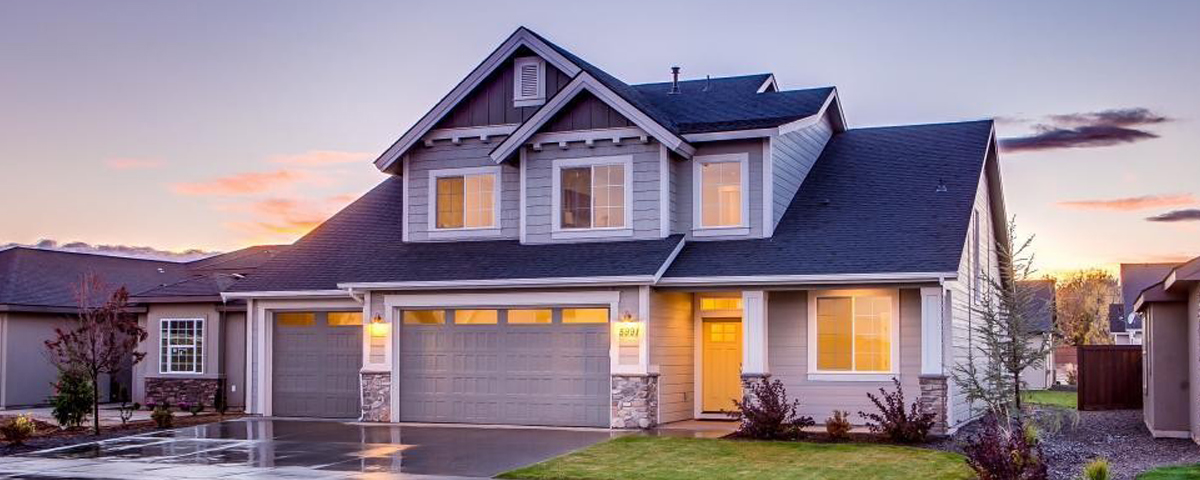
Getting the keys to a new home feels like crossing the finish line of a grueling financial marathon.
To get here, you’ve likely spent months or even years practicing extreme restraint—watching every single transaction, cutting out luxuries, and ensuring your credit remains flawless for mortgage approval. This process requires a high level of strict, intentional budgeting.
But the moment the papers are signed and the keys are in your hand, that intense underwriting pressure vanishes.
This sudden relief can trigger a financial backlash. After a long period of deprivation, it is completely natural to want to loosen your wallet and celebrate your achievement. Because you are investing directly into your own property, these purchases don’t feel irresponsible—they feel entirely justified.
The Subtle Onset of "New Home" Lifestyle Creep
Lifestyle inflation rarely hits your bank account all at once; it accumulates in quiet, justifiable layers.
It might begin innocently with a sofa that costs slightly more than budgeted, followed by custom blinds, area rugs, or minor cosmetic upgrades. Individually, each purchase feels manageable and serves to make your environment more comfortable. Over time, however, these "just one more thing" expenses quickly stack up.
Your mindset gradually shifts from assessing basic necessities to imagining a picture-perfect space. Social media algorithms and interior design trends subtly accelerate this pressure, convincing you that every room needs to be fully styled and photo-ready from day one.
Common impulse purchases new homeowners rush into include:
- Buying complete, matching furniture showrooms instead of furnishing rooms gradually
- Replacing perfectly functional appliances with high-end luxury models
- Sinking money into decor and accent pieces before even learning how the house functions
- Launching major cosmetic renovations that could easily wait a few years
- Investing heavily in high-end patio setups and immediate landscaping overhauls
- Outfitting the entire house with expensive smart-home technology and gadgets
- Rushing into new paint, light fixtures, or flooring choices rather than living in the space first
Beyond these initial retail purchases, day-to-day operational costs tend to rise as well. Larger spaces bring higher utility bills, ongoing maintenance needs, seasonal landscaping costs, and the inevitable contractor fees as you tailor the property to your taste.
Strategies for Maintaining Your Financial Footing
The most effective way to combat lifestyle inflation is to recognize it early. If you notice your monthly bank balance dwindling, your monthly savings contributions slipping, or an anxious urge to "complete" your home layout, it is time to hit the pause button.
Managing this spending doesn't mean completely freezing your accounts; it just requires a more calculated approach.
- Give yourself permission to slow down. A house does not need to be perfectly curated within the first few months. Living in your new space for a while reveals how you actually move through it daily, which often changes what you thought you needed when you first moved in.
- Ruthlessly separate necessities from wishes. Some items truly impact your baseline quality of life—like a reliable mattress, functional seating, or window coverings for privacy. Decorative upgrades and major aesthetics can wait; they don’t all need to be financed in the same calendar year.
- Draft a multi-year project roadmap. Rather than reacting to every home design whim, map out your desired upgrades over a timeline of months or years. This helps budget your cash flow and spreads out the financial impact.
Actionable ways to stay grounded without feeling deprived:
- Establish a firm, standalone monthly budget specifically for home items and stick to it strictly.
- Complete one room or project at a time to prevent multiple overlapping bills.
- Enforce a mandatory waiting period (such as 30 days) on large purchases to see if the urge passes.
- Focus initial investments on items that improve energy efficiency, daily utility, or basic comfort.
- Keep your automated transfers to retirement accounts, savings goals, and debt payoffs completely untouched by your home spending.
A home that comes together organically over time often feels much more authentic, personal, and reflective of your actual life than a space rushed together simply to check off a styling list.
Why Protecting Your Broader Financial Life Matters
Pacing your spending results in wiser investments and protects the goals that exist outside your front door. For most people, purchasing a house is just one piece of a much larger financial puzzle.
Even with a mortgage, you likely still want to:
- Budget for meaningful travel and vacations
- Maintain a robust emergency fund for peace of mind
- Consistently build wealth for retirement
- Aggressively pay down lingering student loans or credit card balances
Ultimately, maintaining the lifestyle comfort you enjoyed before taking on a mortgage is crucial. When home costs run rampant, they quietly eat away at these other priorities. If you find yourself eating out less than you'd like, stressing over small daily expenses, or feeling tightly stretched between paychecks, your house is likely consuming too much of your income.
Keeping your property expenses in balance allows you to truly appreciate your home. It ensures your house remains a supportive foundation for your life, rather than the black hole at the center of every financial decision.